
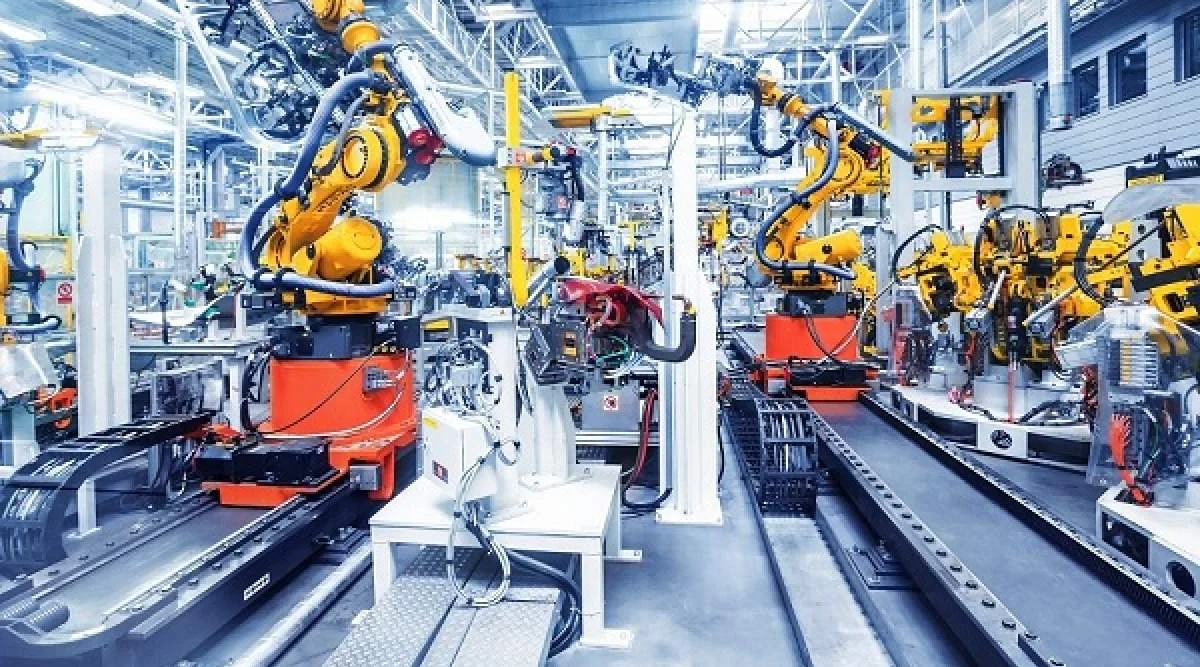
Can optical sensors operate in high-temperature environments? And how do optical sensors handle dusty environments?
Optical Sensors in Harsh Environments: Challenges and Solutions
Optical sensors have become indispensable in modern industrial automation. From manufacturing facilities and power generation plants to mining operations and offshore oil platforms, these sensors provide accurate, real-time measurements that support process control, equipment monitoring, and operational safety. However, deploying optical sensors in harsh industrial environments presents unique challenges. Extreme temperatures, dust, moisture, vibration, corrosive chemicals, and electromagnetic interference can significantly impact sensor performance and reliability. As industries continue to automate critical processes, engineers must understand how to select, install, and maintain optical sensing technologies capable of performing reliably under demanding conditions. This article explores the challenges optical sensors face in harsh environments, the technologies that help overcome those obstacles, and best practices for ensuring long-term performance in industrial applications.
What Are Optical Sensors?
Optical sensors are devices that detect changes in light and convert those changes into electrical signals that can be processed by control systems. Unlike traditional contact-based sensors, optical sensors use light beams, lasers, infrared radiation, or fiber optics to measure position, distance, presence, movement, color, transparency, and other physical characteristics. Because they operate without physical contact, optical sensors offer high precision, fast response times, and excellent repeatability. Industries commonly use optical sensors for:
- Object detection
- Position monitoring
- Dimensional measurement
- Surface inspection
- Material identification
- Safety systems
- Process monitoring
As automation systems become more sophisticated, optical sensing technologies continue to expand across manufacturing, logistics, automotive, pharmaceutical, food processing, and energy sectors.
Why Harsh Environments Create Challenges for Optical Sensors
Industrial environments rarely provide ideal operating conditions. Many facilities expose sensors to conditions that can interfere with light transmission, degrade optical components, or damage electronic circuitry. Several environmental factors directly affect sensor accuracy and reliability.
Extreme Temperatures
Temperature remains one of the most significant challenges for optical sensing systems. High temperatures can:
- Distort optical lenses
- Reduce laser performance
- Damage electronic components
- Accelerate component aging
Conversely, extremely low temperatures may:
- Reduce response speed
- Cause condensation during temperature transitions
- Increase material brittleness
Steel mills, glass manufacturing plants, foundries, and power stations often expose sensors to temperatures that exceed standard operating specifications.
Solutions for Temperature Extremes
Manufacturers address temperature challenges through:
- High-temperature-rated sensor housings
- Integrated cooling systems
- Thermal insulation barriers
- Remote fiber optic sensing heads
- Industrial-grade electronics
Fiber optic technologies are especially effective because they allow sensitive electronics to remain outside high-temperature zones while only the sensing element enters the hazardous area.
Dust and Particulate Contamination
Dust accumulation presents another major obstacle. Mining operations, cement plants, woodworking facilities, grain processing operations, and bulk material handling systems generate airborne particles that can obstruct optical paths. When dust settles on optical surfaces, sensors may experience:
- Reduced detection range
- False readings
- Signal attenuation
- Increased maintenance requirements
Even a thin layer of contamination can significantly reduce performance.
Solutions for Dusty Environments
Engineers commonly implement:
- Air-purge systems
- Protective optical windows
- Sealed sensor enclosures
- Automatic lens cleaning mechanisms
- High-IP-rated housings
Air-purge systems continuously blow clean air across optical surfaces, preventing particle accumulation and maintaining signal integrity.
Moisture and Humidity
Water, condensation, and high humidity levels frequently affect optical sensing systems. Industries such as food processing, wastewater treatment, marine operations, and pharmaceutical manufacturing often operate in humid conditions.
Moisture can cause:
- Lens fogging
- Corrosion
- Reduced signal quality
- Electrical failures
Additionally, rapid temperature fluctuations may create condensation inside sensor housings.
Solutions for Moisture Exposure
To combat humidity-related issues, manufacturers often use:
- Hermetically sealed housings
- Conformal-coated electronics
- Waterproof connectors
- Anti-fog optical coatings
- Environmental control systems
Sensors designed for washdown environments frequently feature IP67, IP68, or IP69K protection ratings.
Mechanical Challenges in Harsh Environments
Environmental conditions are not the only threat to sensor performance. Mechanical stresses can also significantly impact reliability.
Vibration and Shock
Industrial equipment frequently generates vibration. Common sources include:
- Compressors
- Pumps
- Turbines
- Crushers
- Conveyors
- Heavy machinery
Excessive vibration may:
- Misalign optical components
- Damage mounting hardware
- Cause signal instability
- Reduce measurement accuracy
Mitigation Strategies
Best practices include:
- Vibration-resistant sensor designs
- Shock-absorbing mounts
- Reinforced housings
- Proper cable management
- Periodic alignment inspections
Engineers should evaluate vibration levels during system design rather than waiting for performance issues to emerge.
Mechanical Impact and Abrasion
Sensors installed near moving equipment often face physical impacts from debris, tools, or equipment components. For example:
- Mining operations may expose sensors to rock impacts.
- Manufacturing plants may experience accidental collisions from forklifts.
- Material handling systems may expose sensors to abrasive particles.
Protection Methods
Recommended solutions include:
- Stainless steel housings
- Polycarbonate protective shields
- Recessed mounting positions
- Impact-resistant lenses
- Protective cages and guards
Physical protection often determines whether a sensor survives years of operation or requires frequent replacement.
Chemical and Corrosive Environments
Many industrial processes expose sensors to aggressive chemicals. Industries commonly affected include:
- Chemical processing
- Petrochemical refining
- Pharmaceutical production
- Pulp and paper manufacturing
- Water treatment
Corrosive substances can degrade:
- Sensor housings
- Optical lenses
- Cable insulation
- Connectors
- Mounting hardware
Corrosion-Resistant Sensor Technologies
Manufacturers address corrosion through:
- Stainless steel construction
- PTFE coatings
- Chemical-resistant polymers
- Specialized sealing materials
- Corrosion-resistant connectors
Material selection plays a critical role in long-term sensor reliability. Engineers should always verify chemical compatibility before installation.
Optical Interference and Ambient Light Challenges
Industrial facilities often contain numerous light sources capable of interfering with optical sensors. Potential interference sources include:
- Sunlight
- Welding arcs
- High-intensity LEDs
- Infrared heaters
- Laser systems
Ambient light may create false signals or reduce measurement accuracy.
Solutions for Optical Interference
Modern sensors use several techniques to minimize interference:
Modulated Light Sources
The sensor transmits light at specific frequencies that receivers can distinguish from ambient light.
Optical Filtering
Filters allow only specific wavelengths to reach the detector.
Signal Processing Algorithms
Advanced processors identify and reject unwanted signals.
Laser-Based Systems
Laser sensors provide highly focused beams that improve measurement accuracy and reduce interference. These technologies significantly improve reliability in challenging environments.
Fiber Optic Sensors: A Preferred Solution for Harsh Environments
Among available technologies, fiber optic sensors often provide the best performance under extreme conditions.
Why Fiber Optics Perform Better
Fiber optic sensors offer several advantages:
- Immunity to electromagnetic interference
- Resistance to corrosive environments
- Capability to operate at high temperatures
- Long-distance signal transmission
- High measurement accuracy
Unlike traditional electronic sensors, fiber optics use light rather than electrical signals, making them ideal for electrically noisy environments.
Common Fiber Optic Applications
Fiber optic sensors are widely used in:
- Power generation facilities
- Aerospace systems
- Oil and gas operations
- Structural health monitoring
- Industrial process control
Their ability to operate in environments where conventional sensors fail makes them increasingly valuable for critical applications.
Best Practices for Deploying Optical Sensors in Harsh Environments
Successful deployment requires more than selecting the right sensor.
Conduct a Thorough Environmental Assessment
Evaluate:
- Temperature ranges
- Dust levels
- Moisture exposure
- Chemical hazards
- Vibration intensity
Understanding environmental conditions helps identify appropriate sensor technologies.
Select Appropriate Protection Ratings
Always verify enclosure ratings. Common ratings include:
- IP67
- IP68
- IP69K
- NEMA 4X
Higher ratings generally provide better environmental protection.
Optimize Sensor Placement
Avoid unnecessary exposure whenever possible. Install sensors:
- Away from direct impact zones
- Outside extreme heat sources
- In protected mounting locations
Proper placement often extends service life significantly.
Implement Preventive Maintenance
Routine inspections should include:
- Lens cleaning
- Alignment verification
- Connector inspection
- Cable checks
Preventive maintenance reduces unexpected failures and improves measurement accuracy.
Future Trends in Optical Sensing for Harsh Industrial Environments
Optical sensing technologies continue to evolve rapidly. Emerging innovations include:
- AI-powered diagnostics
- Self-cleaning sensor systems
- Advanced fiber optic sensing networks
- Predictive maintenance analytics
- Edge computing integration
- Smart sensor platforms
These developments will help industrial facilities improve reliability while reducing maintenance requirements. As Industry 4.0 initiatives expand, optical sensors will play an increasingly important role in connected and intelligent manufacturing systems.
Recommended Related Articles
- Industrial Automation Fundamentals
- Industrial Communication Protocols
- Industrial Instrumentation Control
- Industrial Networking & IIoT
- Industrial Sensors & Measurement
- Motion and Process Control
- PLC Programming & Controllers
- SCADA and DCS Systems
- Servo Motors and Motor Drives
Frequently Asked Questions (FAQ)
What are optical sensors used for in industrial automation?
Optical sensors detect objects, measure distances, monitor positions, inspect product quality, and support safety systems across industrial processes.
Can optical sensors operate in high-temperature environments?
Yes. Many industrial-grade optical sensors are specifically designed for high-temperature applications. Fiber optic sensors are particularly effective because they separate sensitive electronics from the sensing location.
How do optical sensors handle dusty environments?
Manufacturers often use sealed enclosures, air-purge systems, protective windows, and automatic cleaning mechanisms to prevent dust from interfering with sensor performance.
Are fiber optic sensors better for harsh environments?
In many cases, yes. Fiber optic sensors offer excellent resistance to electromagnetic interference, corrosion, extreme temperatures, and harsh industrial conditions.
What IP rating should I choose for industrial optical sensors?
The appropriate rating depends on the application. IP67 is common for general industrial use, while IP68 and IP69K provide greater protection against water ingress and washdown conditions.
How can I improve optical sensor reliability?
Choose sensors designed for the environment, use appropriate protective housings, optimize installation locations, and implement a preventive maintenance program.
Leave a Reply